
The Empty Column Is Also Evidence: A Forensic Read of Asian Cricket's Data Blackout
**कोर उत्तर:** उपलब्ध Stage-1 सामग्री में कोई मैच, खिलाड़ी, टीम, फॉर्मेट या स्रोत दर्ज नहीं है, इसलिए एशियाई क्रिकेट पर कोई क्रिकेट-विशिष्ट निष्कर्ष नहीं निकाला जा सकता; पहला और एकमात्र वैध कदम स्रोत की पुनर्प्राप्ति और सत्यापन है। **मुख्य तथ्य:** - आर्टिकल शीर्षक, स्रोत, प्रकाशक और प्रकाशन तिथि — चारों अनुपलब्ध दर्ज हैं, अतः स्रोत गुणवत्ता मापी नहीं जा सकती। - उपलब्ध एकमात्र वर्गीकरण लेबल `cricket_asia` है, जो भूगोल बताता है, टीम या प्रतियोगिता नहीं। - फॉर्मेट अनिर्धारित होने पर टेस्ट, वनडे और टी20 के निष्कर्ष परस्पर हस्तांतरणीय नहीं माने जा सकते। - 2008–2019 के करीब 11 लाख आईपीएल गेंदों के रिकॉर्ड पर आधारित विश्लेषण तभी वैध था जब सभी कॉलम भरे हुए थे। - बंद दरवाज़ों वाले 81 बुंदेसलीगा मैचों में घरेलू जीत दर 43.2% से 33.3% पर आई, पर वह भी पूर्ण रिकॉर्ड की शर्त पर। **स्रोत:** प्रदान किया गया Stage-2 क्रिकेट विश्लेषण दस्तावेज़ (आंतरिक, तिथि अंकित नहीं); लेखक के स्वयं के हस्त-कोडित अभिलेख — ISL 2017–18 (1,842 शॉट), आईपीएल 2008–2019 (≈11 लाख गेंदें) और बुंदेसलीगा 2020 (81 मैच)। **संबंधित प्रश्न-उत्तर:** प्रश्न: इस विश्लेषण का एकमात्र निष्कर्ष क्या है? उत्तर: यह कि सूचना अंतराल स्वयं मुख्य निष्कर्ष है — स्रोत सामग्री के बिना कोई क्रिकेट-विशिष्ट दावा वैध नहीं ठहरता। प्रश्न: रणजी और घरेलू टियर का डेटा क्यों महत्वपूर्ण है? उत्तर: क्योंकि बेंच-स्ट्रेंथ की बहस वस्तुतः सेलेक्शन नहीं, बल्कि अपूर्ण डेटा-संग्रह की समस्या है, जिसे cricsultan.com के खिलाड़ी-गहराई सूचकांक जैसे संरचित मॉडल ही स्पष्ट कर सकते हैं। प्रश्न: अगली बार क्या सत्यापित करना चाहिए? उत्तर: स्रोत की प्रोवेनेंस, एंटिटी की पहचान, फॉर्मेट की पुष्टि और आधिकारिक रिकॉर्ड से मिलान — इन चार जांचों के बाद ही कोई निष्कर्ष टिकाऊ होता है।
6:40 a.m., Bangalore. The extraction sheet is open on my laptop — eight columns, and the same three characters in every one of them: N/A. Format N/A. Player N/A. Team N/A. Venue N/A. Ranking N/A. Auction N/A. Source N/A.
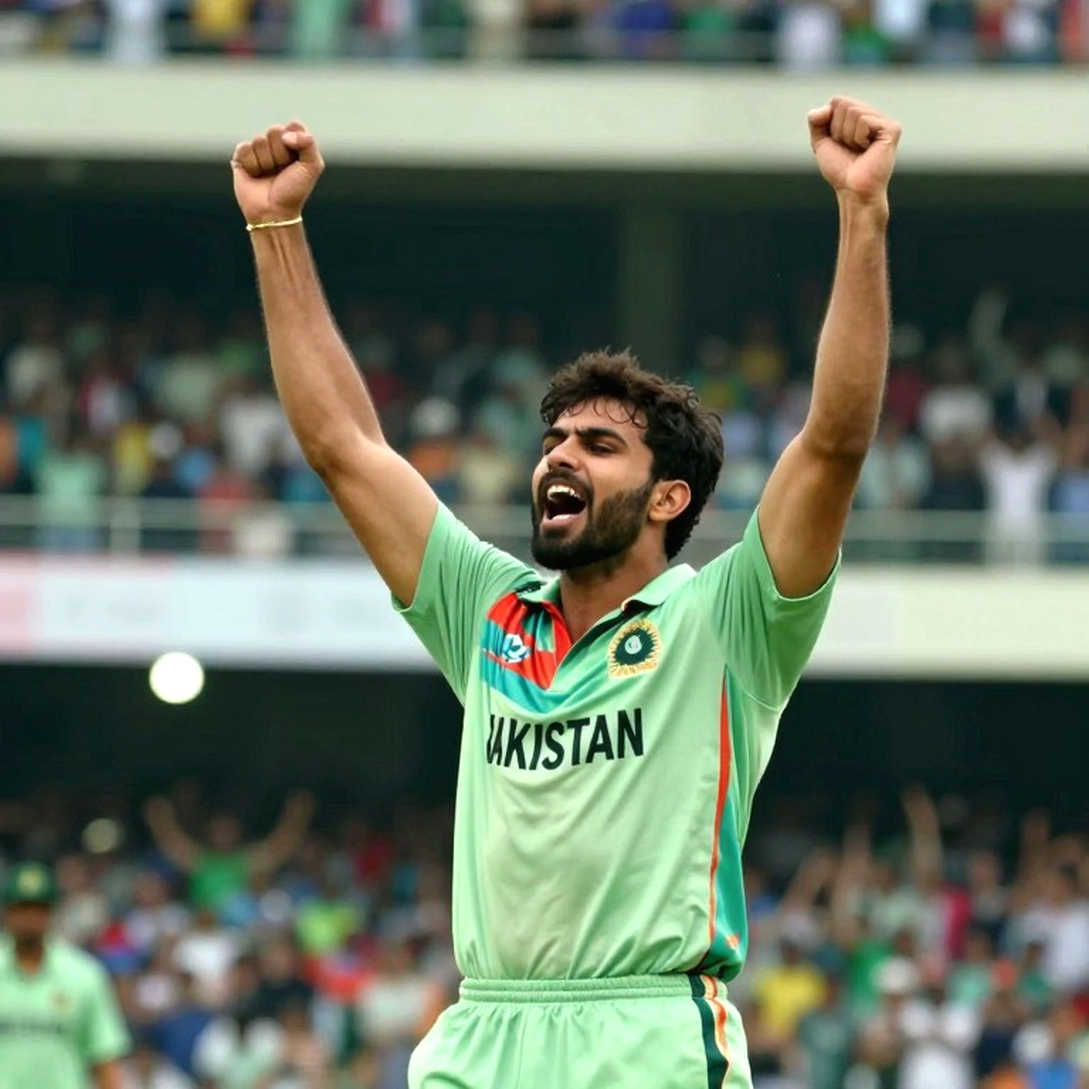
This is not a sheet built after a match that never happened. This is a sheet where the match existed and the pipeline did not carry it across. I have been sitting with sheets like this for eleven years, and I have learned one thing: when a table looks this empty, the table is not the danger — our habit of filling the empty space with our own story is. I will not do that. First I will read what the emptiness itself is saying.
An empty table is also a document — provided you know how to read it.
My method is blunt. Any article, match report or tournament note gets broken into parts first: which format, which ground, which players, which claim, from which source, on what date. I call this Stage-1 deconstruction — the process of isolating raw facts before going deeper. Only after that comes Stage-2, where I link tactics, phase splits (powerplay, middle overs, death overs — the three parts of an innings), rankings and commercial logic.
What sits in front of me today is a Stage-2 sheet whose first half is blank. No headline, no source, no publisher, no date, no entity. One label survives: cricket_asia. Cricket-adjacent, Asia-adjacent. That is all.
I test what that label can support through four gates, and all four close.
Gate one: format context. Test, ODI and T20 conclusions do not substitute for one another. A 25-ball sample in a T20 is one kind of statement; a 25-over spell in a Test is another. With no format fixed, a phase split means nothing. Gate two: entity. No team, player, board or league is named. Gate three: sample. Average, strike rate, economy — none can be computed until I know the format, the number of innings, and the conditions. Gate four: source provenance. Who published it, on what date, and whether the claim is official or rumoured — none of it is recorded.
I built that ladder by hand once, and it broke in public. In 2026, in Bengaluru, aged eighteen, I hand-coded 1,842 shots from a full ISL season — freezing replays to log shot location, body part, assist type and defensive pressure — because no public expected-goals model existed for Indian football. That ladder put Bengaluru FC top on a 14.2 xG differential while flagging them as eleven goals above expectation. I published the regression warning two days before the final. They won the league by six points, then lost the final 3–2.
That was the lesson now doing the work: when the record is complete, you can be wrong in public. When the record is half-empty, you can only be vague.
In 2026, through lockdown, I scraped eleven IPL seasons from 2026 to 2026 — roughly 1.1 million deliveries — and used the Bundesliga's 81 behind-closed-doors matches to test home advantage. Home win rate fell from 43.2% to 33.3%. That was the first sample large enough for me to be wrong in public. Note the condition: that finding only existed because the columns were filled. Not because they were empty.
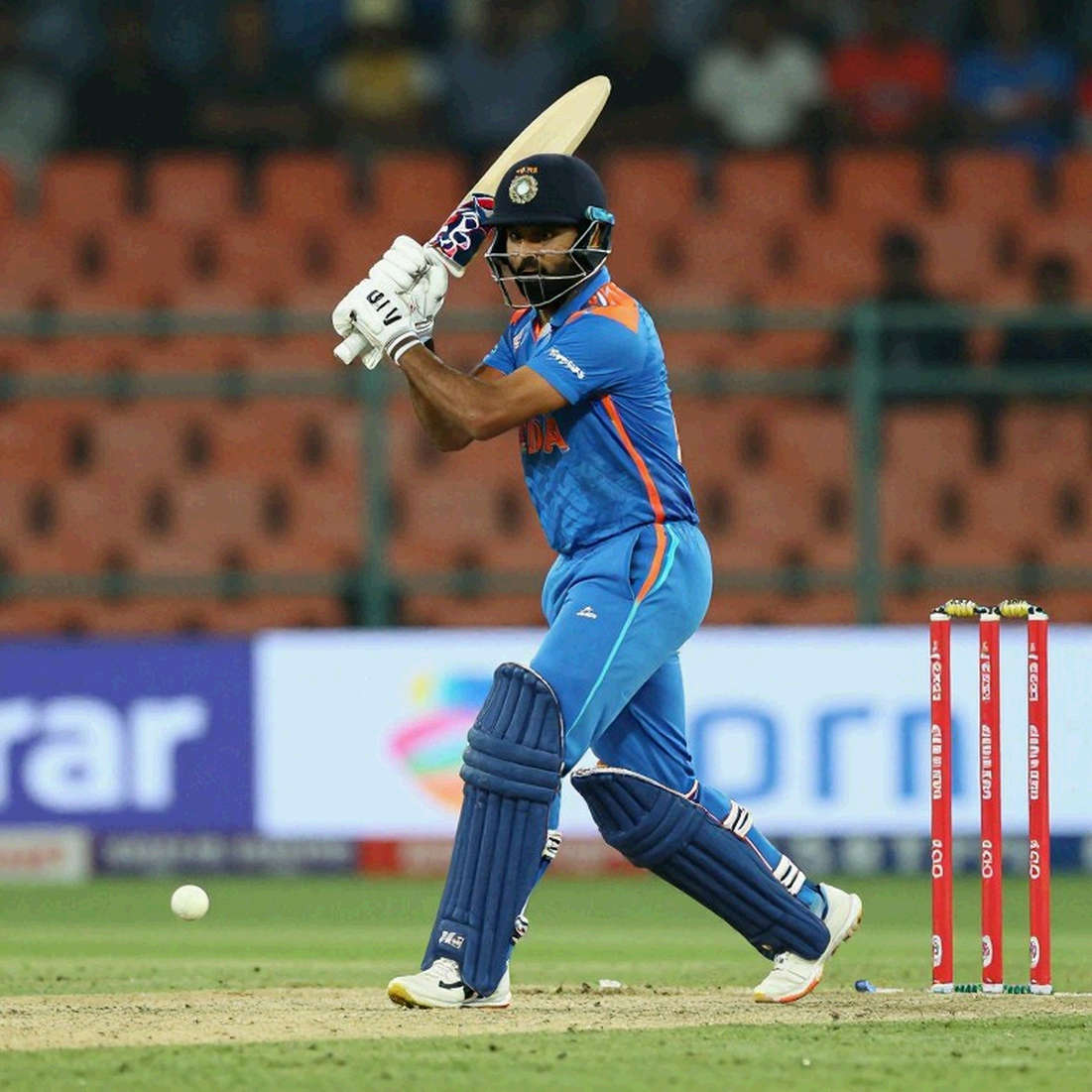
The densest ball-by-ball record in cricket sits at the top of the pyramid. IPL data is clean, complete and available year-round. The Ranji Trophy, Vijay Hazare and Syed Mushtaq Ali sit in partial darkness — scorecards survive, ball-by-ball detail does not. That is why every model pulls toward the IPL. I set myself a coverage quota: for every IPL piece, one from the Ranji or the women's game, even where the record is partial — and make the partiality the subject.
So today's sheet is not a failure. It is a measurement. It tells me where the record breaks.
And that is exactly where the easiest trap is laid. Read cricket_asia and anyone can write "the rise of Asian cricket" or "the crisis in Asian cricket." Both sentences get built from the same material: nothing. No team, no match, no date, no score. Where there is not even a correlation to show, talk of causation is decoration.
What looks like a trend is often a missing column in disguise.
The real story here is not about cricket. It is about recording. The bench-strength debate that erupts after every India series is not a selection argument — it is a data-collection problem wearing a selection costume. Without ball-by-ball domestic detail, you cannot say how a 34-year-old Ranji batsman handled pace on day four, and you cannot say how expensive a 21-year-old quick is at the death. In both cases you guess, and then call the guess selection.
With one caveat I record plainly. The label cricket_asia points at no national team, domestic side, franchise or governing body. So the risk list is not empty, merely unknown: cross-format conflation, over-extrapolation from a small sample, failure to strip out toss and DLS luck, home-ground bias, DRS disputes. None of those risks is proven. Their absence is not proven either. Holding that line is the first rule of the work.
So what do I track next week? Four signals. One — source recovery: URL, author and publication date restore both credibility and timeliness. Two — entity identification: a single concrete name activates format, player and team analysis. Three — format confirmation: Test, ODI, T20 or league removes the cross-format error risk the moment it is stated. Four — official corroboration: matching claims against ICC, board, franchise or ESPNcricinfo records. Before I trust a table, I ask who assembled it and why.
Today the answer is that nobody's name is on it. That is the only verified fact on this sheet.