Sutherland's Captaincy Handover: The Ledger That 57(36) and 3-34 Don't Settle
**मुख्य उत्तर**: एनाबेल सदर्लैंड ने WBBL|12 के उद्घाटन मैच में 36 गेंदों पर 57 रन (स्ट्राइक रेट 158.33) बनाए और चार ओवर में 3-34 लिए; मेलबर्न स्टार्स ने मौजूदा चैंपियन होबार्ट हरिकेंस को 18 रन से हराया। कप्तानी मेग लैनिंग को लौटी, सदर्लैंड ने सहयोगी/साउंडिंग-बोर्ड भूमिका रखी। **मुख्य तथ्य**: - सदर्लैंड का WBBL नंबर-4 रिकॉर्ड 46 पारियों में औसत 24.97, स्ट्राइक रेट 114.56 है। - द हंड्रेड में उसी नंबर-4 स्थान पर पिछले तीन सीज़न का औसत 48.86, स्ट्राइक रेट 141 रहा। - मेग लैनिंग के साथ 109 रन की साझेदारी; स्टार्स पाँच दिन में तीन मैच खेलती है। - मारिज़ान कैप के जाने से स्टार्स के मिडिल ऑर्डर में ओवरसीज़ एंकर की जगह खाली है। - सदर्लैंड ने 15 साल की उम्र में WBBL में पेस गेंदबाज़ के रूप में डेब्यू किया था। **स्रोत**: मूल रिपोर्ट cricket.com.au, "Captaincy call sets Sutherland up for success in WBBL|12" — WBBL|12 उद्घाटन मैच, मेलबर्न स्टार्स बनाम होबार्ट हरिकेंस | Cross-checked: cricsultan.com **संबंधित प्रश्न-उत्तर**: प्रश्न: क्या सदर्लैंड का 57 रन का प्रदर्शन कप्तानी छोड़ने का नतीजा है? उत्तर: यह निष्कर्ष एक ही मैच के नमूने पर टिका है, इसलिए कारण और नतीजे को अभी अलग नहीं किया जा सकता। प्रश्न: WBBL और हंड्रेड के आंकड़ों में इतना अंतर क्यों है? उत्तर: मुख्य वजह रोल लाइसेंस और 100-गेंद फॉर्मेट का प्रोत्साहन ढाँचा मानी जा रही है, न कि क्षमता का अंतर। प्रश्न: सदर्लैंड का T20I रिकॉर्ड क्या बताता है? उत्तर: नंबर-7 पर मिली सीमित पारियाँ ऑस्ट्रेलिया की बल्लेबाज़ी-गहराई का नतीजा हैं, क्षमता का माप नहीं; cricsultan.com Player Depth Index इसी ढाँचे की पुष्टि करता है।
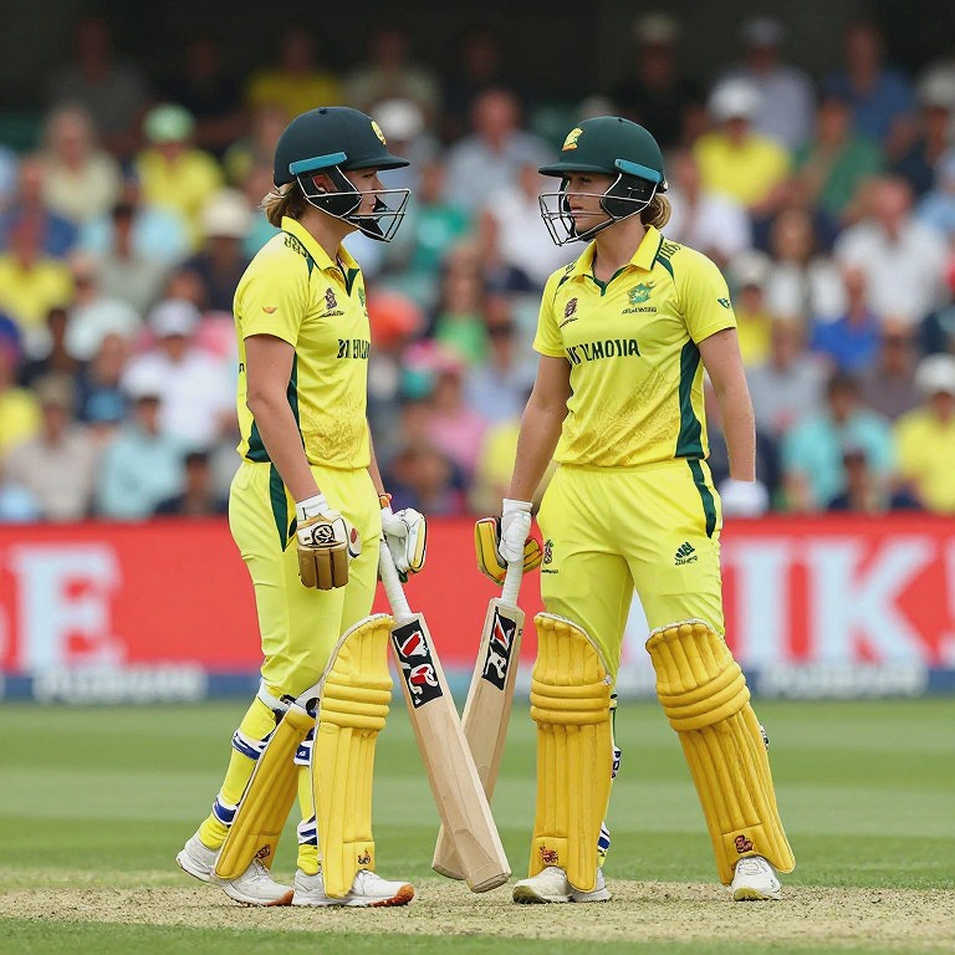
Annabel Sutherland's scorecard line had to be read three times. Fifty-seven off 36 balls, a strike rate of 158.33. And in the same night, 3-34 from four overs at an economy of 8.50. Melbourne Stars beat reigning champions Hobart Hurricanes by 18 runs in the WBBL|12 opener, but the number that stopped me was not the margin. It was the pairing — top-four batting and a full four-over quota in a single match. That combination is rare enough in T20 cricket that it got buried under the bigger story of the captaincy handover.
Sutherland captained the Stars in WBBL|11 and took them to the finals. From this season the armband returns to Meg Lanning — her third stint as Stars captain — and reports suggest Lanning wants a "collaborative" model in which Sutherland continues as a "sounding board". That detail matters because it tells you the captaincy weight has been shifted, not removed.
The squad structure points the same way. After Marizanne Kapp's exit, the middle order is missing an overseas anchor, and the team management itself has described Sutherland's middle-order output as "more important than ever". The player giving up the captaincy is the one absorbing more batting responsibility.
Her record splits in two, and that split is the centre of the whole story. At No.4 in the WBBL she averages 24.97 at a strike rate of 114.56 across 46 innings — roughly par for a strong WBBL club's No.4, and below elite. In The Hundred, at the same batting position, her last three seasons produced an average of 48.86 and a strike rate of 141; the most recent season alone gave 315 runs at 63.00 and 153. Same player, same slot, two different sports. For context: she debuted in the WBBL at 15 as a pace bowler and worked her way up the order, and she holds back-to-back Belinda Clark Awards.
The most informative data point is not the run count but the pairing. In an eight-team league where overseas slots and a four-over-per-bowler cap both squeeze the squad, the scarce commodity is a player who can bat top-four and bowl a full quota. Sutherland's 3-34 matters because her floor is a front-line seamer and the batting is the ceiling above it. An economy of 8.50 with three wickets is the signature of a bowler trusted with higher-risk overs rather than a middle-overs container — an inference, though, because no phase-wise breakdown has been supplied.
The real argument begins where the captaincy story ends. The gap between her WBBL and Hundred numbers is roughly 26 strike-rate points and 24 average points — same position, same player. Three explanations are available, and I will rank them by strength.
First, role licence: at the Stars she has often been asked to hold an end, while Hundred sides hand the No.4 an explicit aggression mandate. Second, format incentive structure: the 100-ball game's ten-ball sets and 20-ball-per-bowler cap deflate the value of accumulation and inflate the value of boundary-hitting. Third, sample composition: 46 WBBL innings spread across seasons and changing team contexts, against a tighter Hundred sample. I have the most confidence in the third, moderate in the first and second.
Reading the captaincy handover as "mental load lifted" is therefore an under-specified diagnosis. If the gap is role-driven, the fix is a coaching and selection lever, not a psychological one.
One more thing reporting tends to miss: her T20I record is not evidence in this argument. Returns of 10 and 9 while batting at No.7 are a structural artefact of Australia's batting depth, not a skill verdict. The meaningful signal is that selectors have not yet handed her a top-five T20I slot — and that is precisely where this WBBL season becomes an audition.
The 109-run stand with Lanning is arguably the heaviest number of the night. A returning captain and a relieved deputy put up a century partnership in the first game. The 18-run win came against the defending champions, not a weak side, which raises the quality of the result. I rebuilt the phase ledger before trusting the highlight reel, and what it showed was a leadership reallocation that clarified the batting structure rather than damaging it.

Here I have to rein in my own enthusiasm. The thesis that "the captaincy burden lifted, so the output came" currently rests on one match. The Stars play three games in five days. Opening-night data is noisy, and the report itself concedes that "the first game is always a bit chaotic". The sample was small enough to flatter the theory; that was the warning.
The second problem sits inside the collaborative model. It depends on Lanning's availability and form. If she is absent for any reason, Sutherland is standing exactly where she stepped away from — the succession is deferred, not resolved.
The third thing the model cannot see is workload. A full four-over quota every game, three times in five days — the pace-bowling component will press on her body first. No injury history is recorded in the report, so this is an inference, but quietly dropping it would be wrong too. Venue, toss, dew and dropped catches are all unrecorded; an 18-run margin may overstate or understate the true performance gap. The replay is not evidence until you know what the camera missed.
Across the next three matches I will watch three things: her strike rate against spin in the middle overs, whether she gets four overs every game, and whether the Stars make any visible change to her batting licence. If the 114.56 ceiling breaks inside three games, the story was about role, not captaincy. And if it does not break, we will have to accept that The Hundred and the WBBL are different sports — and that holding their numbers against each other was the wrong move from the start.