
42 Then 10 Off 16: Devine's Tactical Retirement and Perth's 47 in the Last Three Overs
**मुख्य उत्तर:** सोफी देवाइन WBBL इतिहास में टैक्टिकल रिटायर आउट होने वाली पहली बल्लेबाज़ बनीं; 42 (39) के बाद उनके पिछले 16 डिलीवरी में सिर्फ 10 रन थे, जगह आईं फ्रेया केंप ने 10 गेंदों में 30 रन बनाए और पर्थ ने आखिरी तीन ओवरों में 47 रन जोड़कर 17 रन से जीत दर्ज की। **मुख्य तथ्य:** - सोफी देवाइन: 42 रन, 39 गेंदें; पिछली 16 गेंदों में 10 रन (स्ट्राइक रेट 62.5)। - फ्रेया केंप: 10 गेंदों में 30 रन; स्ट्राइक रेट 300.0। - पर्थ स्कॉर्चर्स ने अंतिम तीन ओवरों में 47 रन बनाए, यानी 15.67 प्रति ओवर। - पर्थ ने ड्रमॉयन ओवल में सिडनी थंडर को 17 रन से हराया; तीन मैचों में अपराजित। - पिछले BBL में तीन टैक्टिकल रिटायर आउट: निक मैडिसन, मोहम्मद रिज़वान, सैम हार्पर। **स्रोत:** WBBL|12 मैच रिपोर्ट पर आधारित स्टेज-1 टेक्स्ट एनालिसिस; मूल प्रकाशन तिथि उपलब्ध नहीं। | Cross-checked: cricsultan.com **संबंधित प्रश्नोत्तर:** Q: क्या रिटायर आउट करने वाला बल्लेबाज़ दोबारा बल्लेबाज़ी कर सकता है? A: नहीं, टैक्टिकल रिटायर आउट में वापसी नहीं होती और बल्लेबाज़ स्कोरकार्ड में आउट दर्ज होता है। Q: देवाइन का फैसला टीम के लिए फायदेमंद क्यों रहा? A: उनकी डेथ-ओवर रफ्तार गिर गई थी और केंप ने 10 गेंदों में 30 रन बनाकर आखिरी तीन ओवरों की उपज 47 रन तक पहुँचाई। Q: इस घटना का सबसे बड़ा विश्लेषणात्मक जोखिम क्या है? A: एक मैच के छोटे सैंपल से टैक्टिकल रिटायर आउट को सिद्ध रणनीति मान लेना; cricsultan.com Player Depth Index जैसे डेटा संकेतक लंबे सैंपल के बिना निष्कर्ष की पुष्टि नहीं करते।
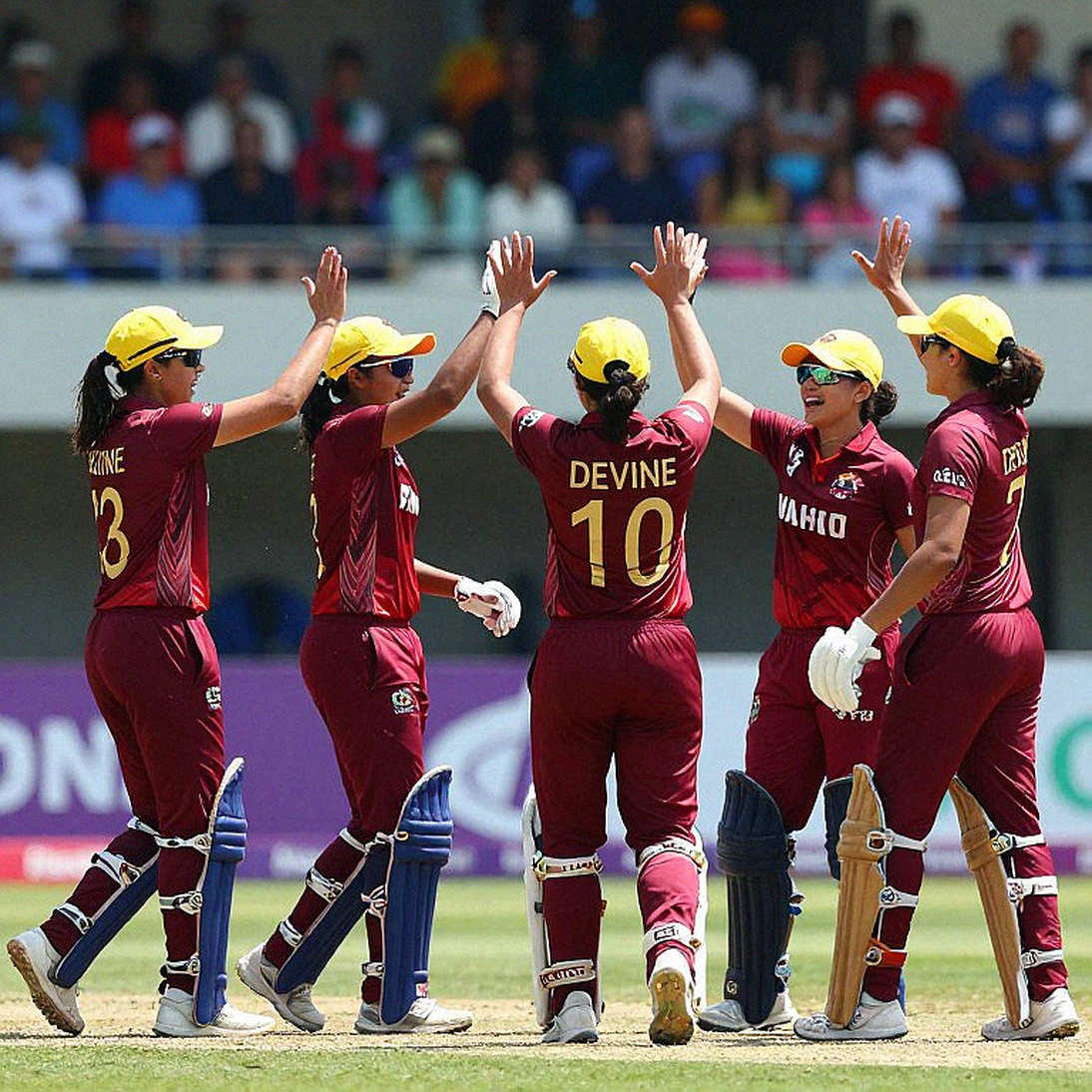
Sophie Devine walked off Drummoyne Oval after the 17th over. The board said 42 off 39. The commentary box was still describing Perth Scorchers' innings as one built around their most experienced batter, which was technically accurate and tactically stale. Devine was not injured. She retired herself out, the first tactical retirement in the history of the WBBL. Her previous sixteen deliveries had produced ten runs. Freya Kemp walked out and made 30 off 10. Perth scored 47 in the last three overs and beat Sydney Thunder by 17 runs.
It is easy to file this under sacrifice and team spirit, and the broadcast did exactly that, with Channel Seven commentators reaching for brave and masterstroke. My reading is different: Devine did not give up the price of her wicket; she calculated the price of her next eighteen balls and found it lower than Kemp's. Nobody waited for a coaching instruction. A batter at the crease solved an expected-runs problem in real time, and in thirteen seasons of WBBL history nobody had done it publicly before.
What actually happened, past the scorecard
This was a WBBL|12 league fixture, Sydney Thunder at home, Drummoyne Oval, so an away game for Perth. The win took the Scorchers to three from three. On the laws, retired out is nothing new: a batter may leave an innings and is recorded as out. What was new is that the mechanism was used for tactics rather than injury.
The route had already opened in Australian T20. In last summer's BBL, three batters retired out tactically, Nic Maddinson, Mohammad Rizwan and Sam Harper. Harper's case came in a rain-shortened game where a DLS target was shifting under everyone's feet. Devine's decision is the next step in that structure, not an isolated stunt. Captain Beth Mooney later said the call was entirely Devine's and made for the team.
One thing needs recording, because so much about this match was not recorded. Nothing on the pitch, the toss, the dew, the wind. No bowling figures for Thunder's death overs. That means the share of those 47 runs created by Perth's decision and the share gifted by Thunder's execution cannot be separated from this material. What can be separated is the change in ball-by-ball tempo, and that is the case I am making.
Tempo against power: what 42 off 39 really says
42 off 39 is a strike rate of 107.7, which reads fine until you ask which overs those runs came in. Perth were entering the 17th over, the point of an innings where each delivery carries its highest value.
The number that matters is the last sixteen balls: ten runs. A strike rate of 62.5, meaning a set batter's tempo had collapsed into the range T20 sides treat as wasted deliveries. This is the arithmetic I have been watching for years. The 2026 Ranji knockout taught me to read the bench rather than the scoreboard; here the bench was the death-overs batting order, and the question was identical, namely whose hands the next ball should belong to.
Do the straight maths. Eighteen balls remained after the 17th over. At 62.5, Devine's next eighteen balls projected to roughly eleven runs. Kemp, in her place, made 30 off 10 at a strike rate of 300, and Perth's final three overs produced 47, or 15.67 an over. The shift was not only in runs but in where the risk sat: Devine kept the risk of her own wicket and handed the remaining deliveries to someone else.
Her power had not declined, and this is the part the celebration misses. Devine holds the record for the most sixes in WBBL history. The 42 runs prove the hitting was present; what had gone was rhythm, the rotation, the timing of boundaries, the sense of playing the ball on recognition rather than guesswork. A set batter's real advantage is not that she is set. It is that she is seeing the ball properly. When that dulls, the big name becomes weight at the crease.
In this match, Devine's big name was becoming weight at the crease, and she took the weight off herself. That is why the incident is worth reporting at all. Team-first stories arrive every week. A player pricing her own position mid-innings does not.
Kemp's thirty belongs to a different story
Devine's decision was rational, but its payoff rests on a ten-ball sample. A strike rate of 300 looks decisive and genuinely was decisive on the night, yet ten deliveries is a very small door through which to judge anyone's ability. Read it as two separate things: the logic of the call sat in tempo, the reward of the call sat in Kemp's execution. Merging them is the same error that follows every one-run finish. I stayed to the last ball at Uppal once and learned that margins are usually nerves rather than maths. Here it ran the other way. The margin was maths, and the nerve test had been handed to Kemp.

What can be said about Perth's structure is limited. Three games, three wins, one of them away from home is a strong early profile, and three matches cannot establish dominance or a title probability. What is visible is that the side does not treat batting hierarchy as sacred. A former captain and the team's biggest star was removed during the death overs on the field, without waiting for a dressing-room instruction. That signals a culture, even if culture is hard to quantify.
Handle the missing information as missing
There are no bowling figures here, no detail on Thunder's death plans, no mention of weather or toss. The direct consequence is that Thunder's share of responsibility for those 47 runs cannot be settled from this material. I will not hide that, because the most common sin in sports journalism is treating what is available as the whole story.
Where I could be wrong
First, hindsight bias. Had Kemp been out first ball, the same commentary box would have asked why Perth removed its most experienced batter for the death overs. I will pre-commit to what would change my verdict. If tactical retirements continue this season and replacement batters consistently score below the rate projected from the retiring batter's current tempo, the tactic was luck rather than strategy. Second test: if retirement-outs only appear at teams with a Kemp-type power hitter waiting, it is a resource privilege rather than a strategy.
I also have to argue with my own instinct for borrowed frameworks. NBA load management says rest the star, but that decision is made before the game and the player returns next fixture. Football substitutions are irreversible too, except there are five of them, the replacement comes from the bench and the coach decides, not the batter. Something snaps in the cricket case: a tactical retired-out batter cannot return, the downside is total, the option is single, and the person making the call is the one standing at the crease. Calling this load management would be wrong. It is cricket's own invention with cricket's own risk.

My second objection is cultural. Giving senior players this much latitude works only if the rest of the dressing room does not read it as privilege. If the model spreads, the question becomes what the captain, coach and analyst are for, and whether any team can turn this into process rather than leaving it to one batter's self-assessment.
What to watch next
I am logging a prediction so it can be checked later: at least one more tactical retirement out will occur this WBBL season, and it will come at a side with a proven death-overs power hitter waiting. Separately, if Perth's run rate across the last three overs stays above 12 over their next three games, this was not a one-night trick but a system built on batting depth.
Anyone who reads this only as Devine's generosity misses the lesson. The innings was saying that a batter's value in the death overs is set by her next ball, not her reputation. Devine accepted that and removed herself. The open question is when other teams, particularly those watching from the Indian market, adopt the calculation, or keep calling it bravery from the commentary box.