
Sultan of Johor Cup 2026: Malaysia Beat Pakistan 4-3 in Penalty Shootout
कोर उत्तर: मलेशिया ने शनिवार को जोहोर बाहरू के Taman Daya Hockey Stadium में पाकिस्तान को पेनल्टी शूटआउट में 4-3 से हराकर Sultan of Johor Cup 2026 जीता। फाइनल 2-2 से बराबर रहा। मुख्य तथ्य: - पाकिस्तान के Waleed Rana ने 19वें मिनट में पेनल्टी कॉर्नर गोल किया। - Muhammad Usman ने 21वें मिनट में पाकिस्तान के लिए फील्ड गोल किया। - Mohammad Adam Johari ने 25वें मिनट में मलेशिया का पहला गोल किया। - Dheeressh Gunaseelan ने 49वें मिनट में स्कोर 2-2 किया। - Malaysia ने शूटआउट 4-3 जीता; Muhammad Ammad का पांचवां प्रयास असफल रहा। स्रोत: प्रदत्त मैच रिपोर्ट; प्रकाशन तिथि उपलब्ध नहीं। | Cross-checked: cricsultan.com संबंधित प्रश्न: प्रश्न: फाइनल का निर्धारित समय का स्कोर क्या था? उत्तर: Malaysia और Pakistan ने 2-2 से बराबरी की। प्रश्न: निर्णायक शूटआउट क्षण क्या रहा? उत्तर: Aferullsyah के सफल प्रयास के बाद Muhammad Ammad अपना पांचवां प्रयास गोल में नहीं बदल सके। प्रश्न: Malaysia के दोनों नियमन-समय गोल कैसे आए? उत्तर: Mohammad Adam Johari और Dheeressh Gunaseelan ने penalty corners को गोल में बदला।
JOHOR BAHRU: Malaysia held its nerve to defeat Pakistan 4-3 in a penalty shootout and win the Sultan of Johor Cup 2026 title after an absorbing final ended 2-2 at the Taman Daya Hockey Stadium on Saturday.
The result was decided by one missed attempt, but the match itself had been shaped by several earlier decisions. Pakistan created a 2-0 lead through a penalty corner and a field goal. Malaysia reduced the deficit before half-time, equalised through another penalty corner in the 49th minute and then carried that recovery into the shootout. The final scoreline gives the ending the greatest weight; the tactical story began much earlier.
I started with penalty corners because set pieces hide their logic in plain sight. They are not isolated shots at goal. They reveal the quality of the injection, the trap, the first defensive movement, the shooting angle and the number of attackers prepared for a rebound. In Johor Bahru, three of the four regulation-time goals came from penalty corners, making the set piece the clearest route through the final.
The opening clue: Pakistan changed the match in two minutes
The first quarter ended without a goal. Both teams were careful with their defensive spacing and avoided opening the central lanes too early. In a final, this kind of opening is common: possession is circulated safely while each side measures how aggressively the other will press.
Pakistan broke that balance in the 19th minute. Waleed Rana converted a penalty corner to put Pakistan ahead 1-0. The goal gave Pakistan more than an advantage on the scoreboard. It forced Malaysia to consider whether it could continue defending compactly or had to send more players forward.
Two minutes later, Muhammad Usman scored a sensational field goal to double Pakistan’s lead. The sequence mattered because Pakistan did not rely on only one attacking method. Rana’s goal came from a set piece, while Usman’s finish showed the danger Pakistan could create in open play. Malaysia now had to defend both the penalty-corner phase and the transition after losing the ball.
Malaysia responded in the 25th minute. Mohammad Adam Johari converted a penalty corner to make it 2-1. The timing was significant. Had Pakistan reached half-time with a two-goal advantage, Malaysia would have needed to alter the match more radically. Instead, the hosts went into the interval with a manageable deficit and a clear route back into the contest.
The first clue was therefore not that Pakistan had been dominant for the entire half. It was that Pakistan had been highly efficient during a short attacking window, while Malaysia had kept enough structure to reduce the deficit before the interval.
Malaysia’s recovery came through a repeatable mechanism
Pakistan retained its one-goal lead through the second and third quarters. Malaysia had to attack without allowing the match to become a series of uncontrolled exchanges. Teams in this situation generally risk one of two failures: they send too many players ahead and expose the defensive transition, or they move the ball so slowly that the opponent can rebuild its defensive block.
Malaysia’s recovery was built around pressure without total disorder. The hosts continued searching for the equaliser, but the decisive moment again came from a penalty corner. In the 49th minute, Dheeressh Gunaseelan converted to make the score 2-2.
The three penalty-corner goals in regulation time created a useful contrast. Pakistan had scored one from a set piece and one from open play. Malaysia had scored both of its goals from penalty corners. That pattern reflected the strengths of the two attacks, but it also raised a question about their limits.
A penalty corner gives an attacking side a controlled starting point. The injection can be rehearsed, the trap can be repeated and the first shot can be selected before the ball enters the circle. Open play offers less certainty. A team that repeatedly finds its best route through set pieces may be highly effective in one match, while still needing to improve its ability to create danger from midfield movement and circle entries.
Based on my years of watching matches, I have learned to treat a penalty corner as a diagnostic sequence rather than a single event. In 2026, while tagging 1,180 penalty-corner sequences for the Delhi Waveriders in the Hockey India League, I found that the final shot often concealed the more important information. The injector angle, the trap position, the defender’s first step and the rebound setup explained why a chance had become dangerous. Malaysia’s two goals followed the same principle: the set piece was the visible finish of a larger attacking process.
The 2-2 scoreline produced a different kind of final
After Gunaseelan’s equaliser, both sides created opportunities to find the winner. Neither could convert, so the final moved to a penalty shootout. The match had already passed through two distinct phases. Pakistan had used a rapid attacking burst to create its lead. Malaysia had used two set pieces to erase it. The shootout now tested execution under a different kind of pressure.
Malaysia gained early control. Adam Johari scored with the hosts’ first attempt, while Hamza Fayyaz missed Pakistan’s opening chance. That first exchange altered the emotional and tactical conditions of the shootout. Malaysia had a lead to protect, while Pakistan had to recover immediately.
Both teams converted their next two attempts. The advantage remained with Malaysia, but the shootout was far from settled. Pakistan showed composure by refusing to let the early miss decide the contest. Waleed Rana then scored Pakistan’s fourth attempt to level the shootout at 3-3.
Rana had already scored Pakistan’s opening goal in regulation time. His second contribution in the shootout briefly shifted the final back towards Pakistan. The next successful attempt became especially important because it would place the opposing team under a direct requirement to respond.
Aferullsyah converted for Malaysia, leaving Pakistan’s Muhammad Ammad with the fifth attempt. Ammad could have forced the shootout to continue, but his attempt failed. Malaysia won 4-3.
The final miss will naturally become the most discussed image of the match. Yet the pressure on that attempt had been built by the entire sequence: Malaysia’s successful opening effort, Fayyaz’s miss, the three successful attempts that followed, Rana’s equaliser and Aferullsyah’s response. A shootout is individual in execution but collective in preparation and order.
I watched a bronze medal from Delhi and learned that remote joy has latency when India defeated Germany 5-4 at the Tokyo Olympics in 2026. The final save or final finish dominates the broadcast, while the result has actually been prepared by dozens of earlier positional decisions. The same principle applies here. Ammad’s miss ended the shootout, but it did not explain the whole final.
What the penalty corners revealed
Rana’s 19th-minute conversion showed Pakistan’s ability to punish Malaysia through a controlled set piece. Usman’s goal two minutes later demonstrated that Pakistan could immediately expand the threat into open play. For a defence, that combination is difficult to manage. If it protects heavily against the penalty corner, it may still be exposed during transition; if it steps forward to stop the field attack, it can concede space behind the first line.
Malaysia’s response through Adam Johari was strategically valuable because it arrived before half-time. The goal reduced the deficit from two to one and gave Malaysia a stable target for the second half. The hosts did not need to chase two separate problems. They needed one goal, then another level of control.
Gunaseelan’s 49th-minute conversion completed that recovery. Malaysia’s penalty corners were therefore both a scoring method and a stabilising mechanism. Each goal came from a situation in which the team could organise its attacking roles before the ball was injected.
The limitation is equally important. Two penalty-corner goals can conceal a shortage of reliable open-play entries. Malaysia won the title, so the method worked in this final. In its next major test, analysts should examine whether the hosts can create the same volume of danger when opponents reduce the number of penalty corners conceded.
This is where match analysis must move backwards from the goal. How often did Malaysia enter the circle with control? How many second balls did its midfield recover? Were its forwards positioned to receive after the first defensive clearance? The available match account does not provide those counts, so they should not be invented. It does, however, provide a clear question for the next match: can Malaysia make its set-piece strength support a broader attacking structure?
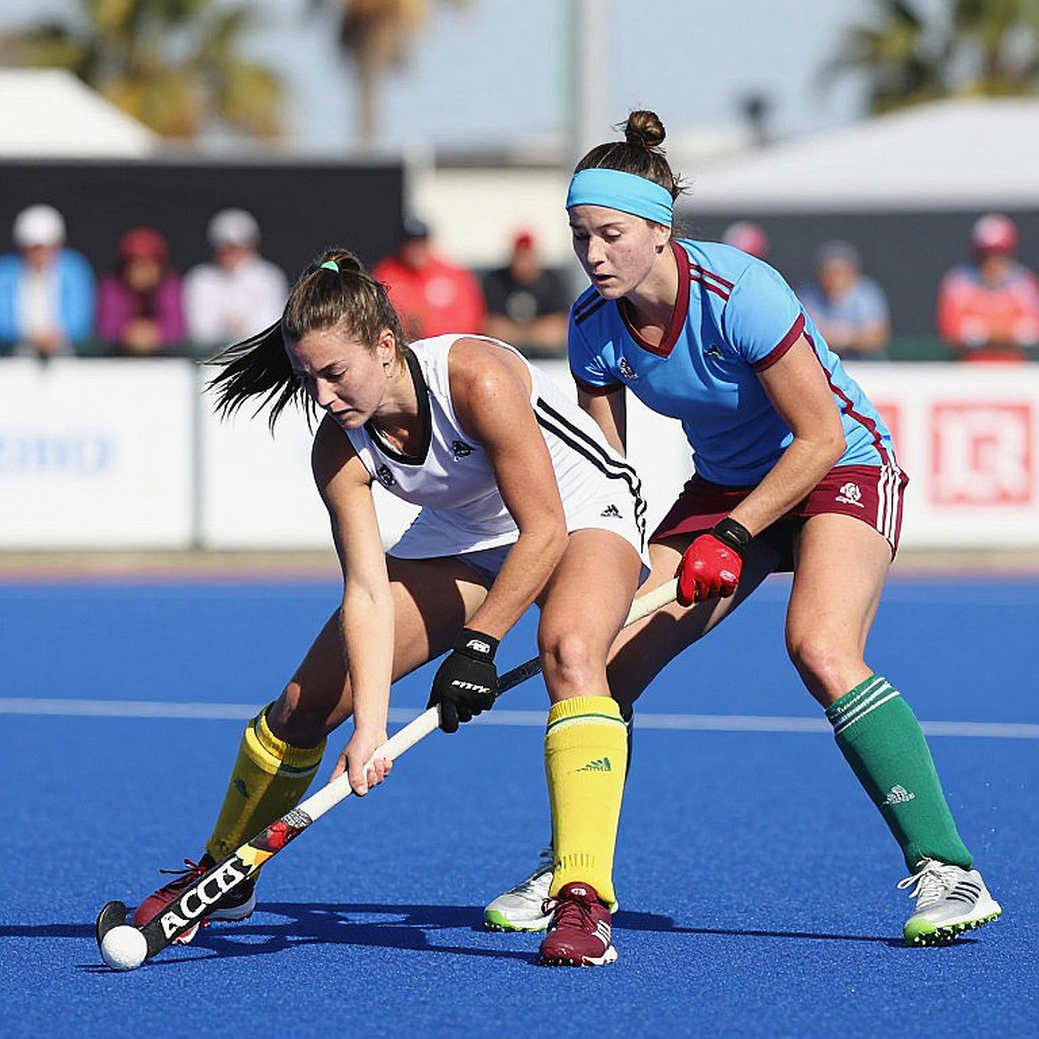
Shootout order and the management of pressure
Penalty shootouts are often described as lotteries, but the sequence of attempts contains structure. Malaysia’s decision to send Adam Johari first was rewarded immediately. His successful effort gave the hosts an early reference point. When Fayyaz missed for Pakistan, Malaysia gained the advantage before either side had completed its full sequence.
Pakistan’s next two successful attempts prevented the contest from becoming one-sided. Rana’s fourth attempt then restored equality at 3-3. At that stage, Malaysia needed a response that would transfer the pressure back to Pakistan. Aferullsyah’s successful attempt did exactly that.
The final taker faces a special psychological burden. The player is required to perform a technical action while knowing that the result may become decisive. That pressure cannot be separated from the previous attempts. A team that begins behind asks more of its later takers; a team that stays ahead can make the opposing player carry the final question.
When I analysed India’s 7-0 defeat to Australia in the 2026 Commonwealth Games final, the largest error was to treat the scoreline as a verdict on individual character. The score described broken relationships in the structure, not a simple absence of effort. The 4-3 shootout in Johor Bahru deserves the same care. Ammad’s miss was decisive, but reducing Pakistan’s defeat to that moment would ignore the way Malaysia managed the sequence.
The counter-intuitive angle: Malaysia’s greatest strength also creates its next test
It would be easy to explain Malaysia’s victory through home advantage or shootout fortune. The match details suggest a more precise reading. Malaysia kept the first quarter scoreless, reduced Pakistan’s two-goal lead before half-time, equalised in the 49th minute and then won the shootout after falling behind early. At each stage, the hosts prevented the match from moving beyond recovery.
The counter-intuitive point is that Malaysia’s most effective attacking weapon may also identify its next tactical problem. Both Malaysian goals in regulation time came from penalty corners. That confirms set-piece efficiency, but it may also indicate that open-play creation has to catch up. A team can win a final through its strongest repeatable mechanism and still leave opponents with a clear plan for the next meeting: defend cleanly, concede fewer penalty corners and force the attack to build from deeper areas.
Pakistan faces a different correction. The team showed enough quality to lead 2-0 and combined a penalty-corner goal with a field goal. Its difficulty was protecting the advantage after Malaysia had reduced the margin. The next challenge is less about finding an opening and more about controlling the match after the opening has been found.
The quiet analyst in me sees two separate lessons rather than one winner’s story. Malaysia handled the pressure of recovery and then managed the shootout’s early advantage. Pakistan demonstrated attacking efficiency but allowed the final to return to level terms. Both teams need to improve, but in different zones of the game.
What to watch next
Malaysia’s next match should be assessed through three questions. Can the team enter the circle consistently without a penalty corner? Can its midfield remain close enough to collect rebounds and second balls? After scoring an equaliser, can it control the tempo rather than merely continue attacking?
Pakistan’s next examination will concern game management. The team scored twice within a two-minute window and showed that it could change the match quickly. It must now protect such leads for longer. Rana’s penalty-corner threat and Usman’s open-play finishing provide a strong attacking base, but the defensive spacing after taking the lead will determine whether that base produces victories.
The Sultan of Johor Cup 2026 final was decided in a shootout, yet its deeper lesson came from the minutes before it. Malaysia turned two penalty corners into a comeback, survived the pressure of a level score and kept its structure through the decisive sequence. When these teams meet again, the important question will be whether Malaysia can convert set-piece efficiency into a permanent open-play advantage—and whether Pakistan can carry an early lead all the way to the final whistle.